The history of Istanbul dates back approximately 2,700 years, to the 7th century BCE, when it was founded as a Greek colony named Byzantion. In 330 CE, Roman Emperor Constantine the Great declared it the “New Rome,” and it became known as Constantinople. It later served as the capital of the Eastern Roman (Byzantine) Empire, and in 1453, it was conquered by Sultan Mehmed II, becoming the capital of the Ottoman Empire. By that time, it was already a major center of culture and commerce.
Although the capital of the newly founded Republic of Turkey moved to Ankara in 1923, Istanbul maintained its economic, cultural, and historical significance, remaining the country’s largest and most influential city. Over the centuries, it served as the capital of three great empires—Roman, Byzantine, and Ottoman—and became home to world-famous landmarks such as Hagia Sophia, Topkapi Palace, the Blue Mosque, and the Grand Bazaar. Its multicultural character has allowed people of different religions and ethnicities to live side by side for centuries.
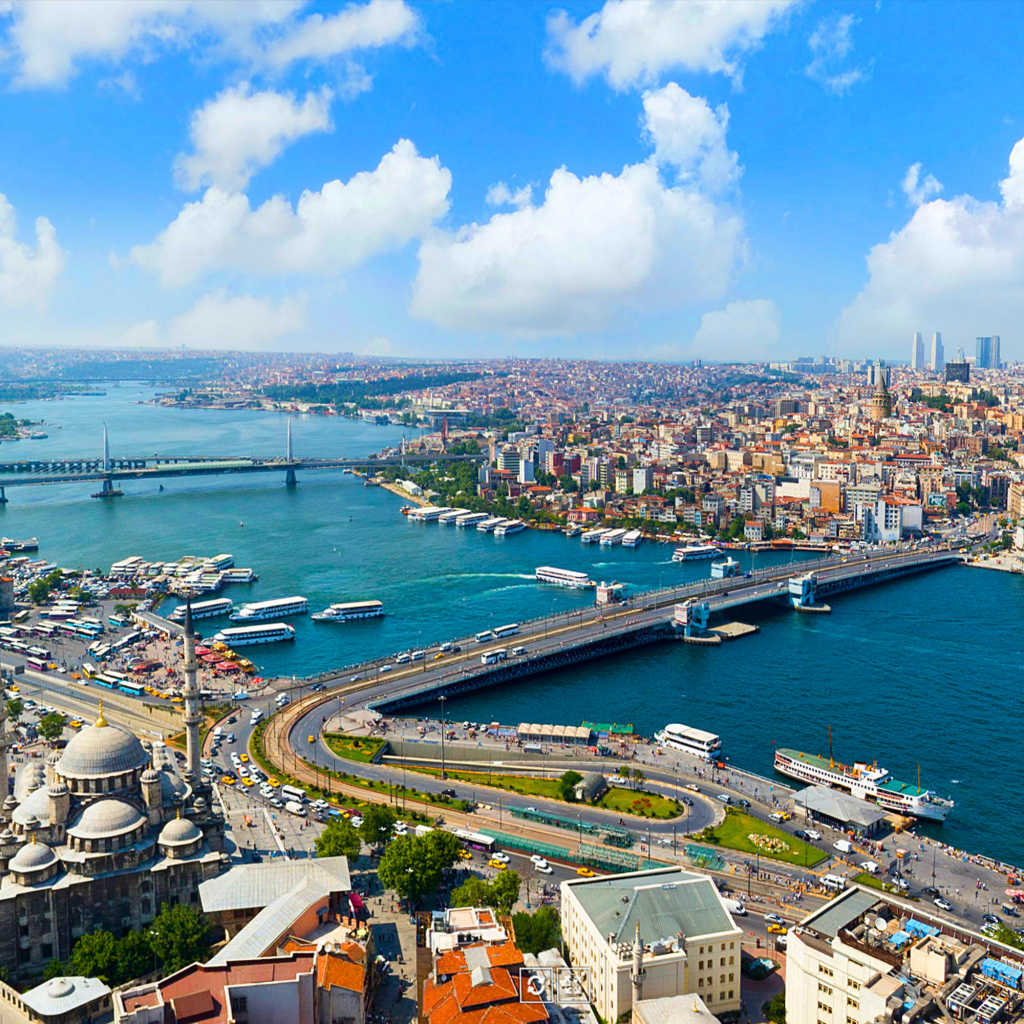
Geographically, Istanbul is one of the world’s most prominent cities spanning two continents: Europe and Asia. The Bosphorus, which divides the city, is not only visually striking but also holds major strategic importance for maritime trade. Situated between the Black Sea and the Sea of Marmara, Istanbul has long occupied a critical geopolitical position.
Istanbul’s population reached 15,754,053 in 2025, according to Türkiye’s official statistical institute. This means that approximately 18.3% of the country’s population lives in Istanbul alone. Its enormous scale reflects the city’s continuing importance as a center of commerce, transport, culture, and everyday life. The layers of its past are visible everywhere: on one street, you might encounter a Roman column, while just nearby, an Ottoman fountain stands as a reminder of another era.
The Bosphorus forms a natural boundary between Istanbul’s European side to the west and its Asian, or Anatolian, side to the east. These two sides are connected by three major bridges—the 15 July Martyrs Bridge, Fatih Sultan Mehmet Bridge, and Yavuz Sultan Selim Bridge—as well as the Marmaray rail tunnel and the Eurasia Tunnel, which facilitate travel across the strait.
The city has a total of 39 districts: 25 on the European side and 14 on the Asian side. Notable areas include the historic Fatih district, home to Hagia Sophia and the Blue Mosque; Beyoğlu, with its vibrant Istiklal Avenue and Taksim Square; and cultural hubs such as Üsküdar and Kadıköy on the Asian side. Districts such as Beşiktaş, Şişli, Bakırköy, and Ataşehir are also important centers of commerce and urban life. Istanbul’s unique geography and rich historical and cultural layers make it a truly exceptional city on a global scale.
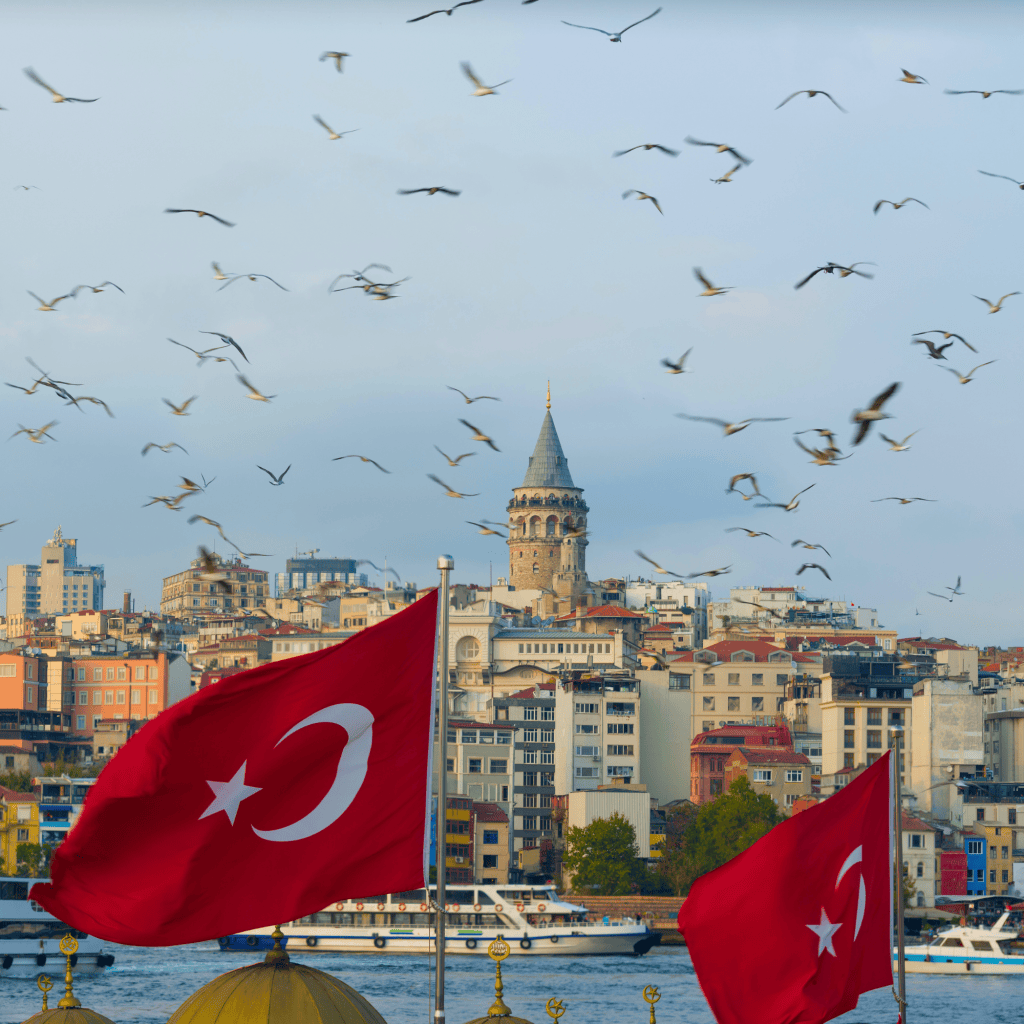
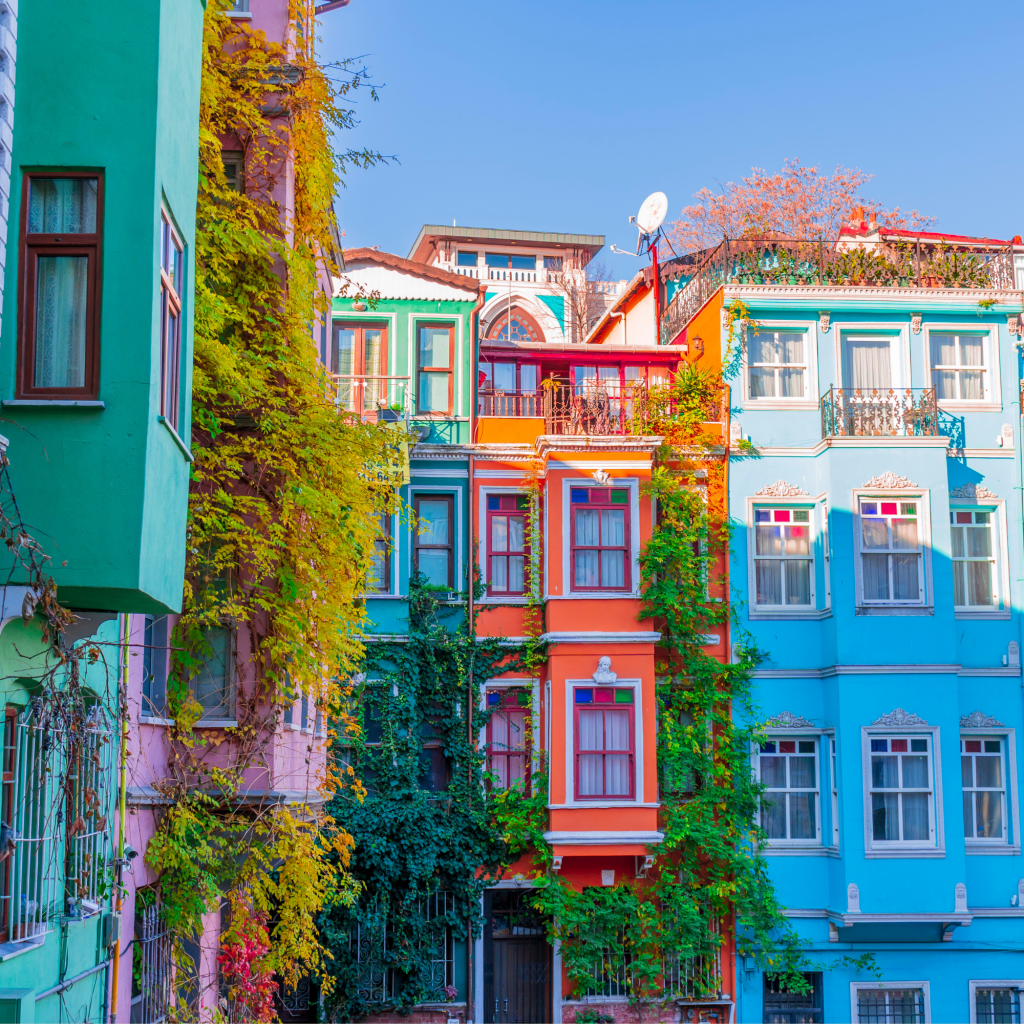
The Golden Horn: A Natural Harbour That Shaped History
The Golden Horn, known in Turkish as Haliç, is a natural inlet that served as one of Constantinople’s most important harbors. During the Byzantine period, a massive chain could be stretched across its entrance to prevent enemy ships from entering. During the Ottoman conquest of 1453, Sultan Mehmed II famously had ships transported overland across the hills to bypass the chain and enter the Golden Horn. Today, its shores connect historic neighborhoods, lively waterfronts, and some of Istanbul’s most memorable views.
Istanbul’s Underground Railway: A Journey Back to 1875
Istanbul is home to Tünel, one of the world’s oldest underground urban railways. Opened on 17 January 1875, it was built to make the steep journey between Karaköy and Beyoğlu easier. Today, this short funicular railway remains in service, linking the lower streets near Galata with the upper district around Istiklal Avenue. It offers a tangible connection to the city’s 19th-century transformation.
Istanbul’s Historic Areas Are a UNESCO World Heritage Site
In 1985, Istanbul’s Historic Areas were inscribed on the UNESCO World Heritage List. The protected historic areas include remarkable examples of Byzantine and Ottoman architecture, from Hagia Sophia and the ancient Hippodrome to the Süleymaniye Mosque and Topkapı Palace. Together, these monuments illustrate how different civilizations shaped the city’s architecture, religious life, and urban landscape over centuries.
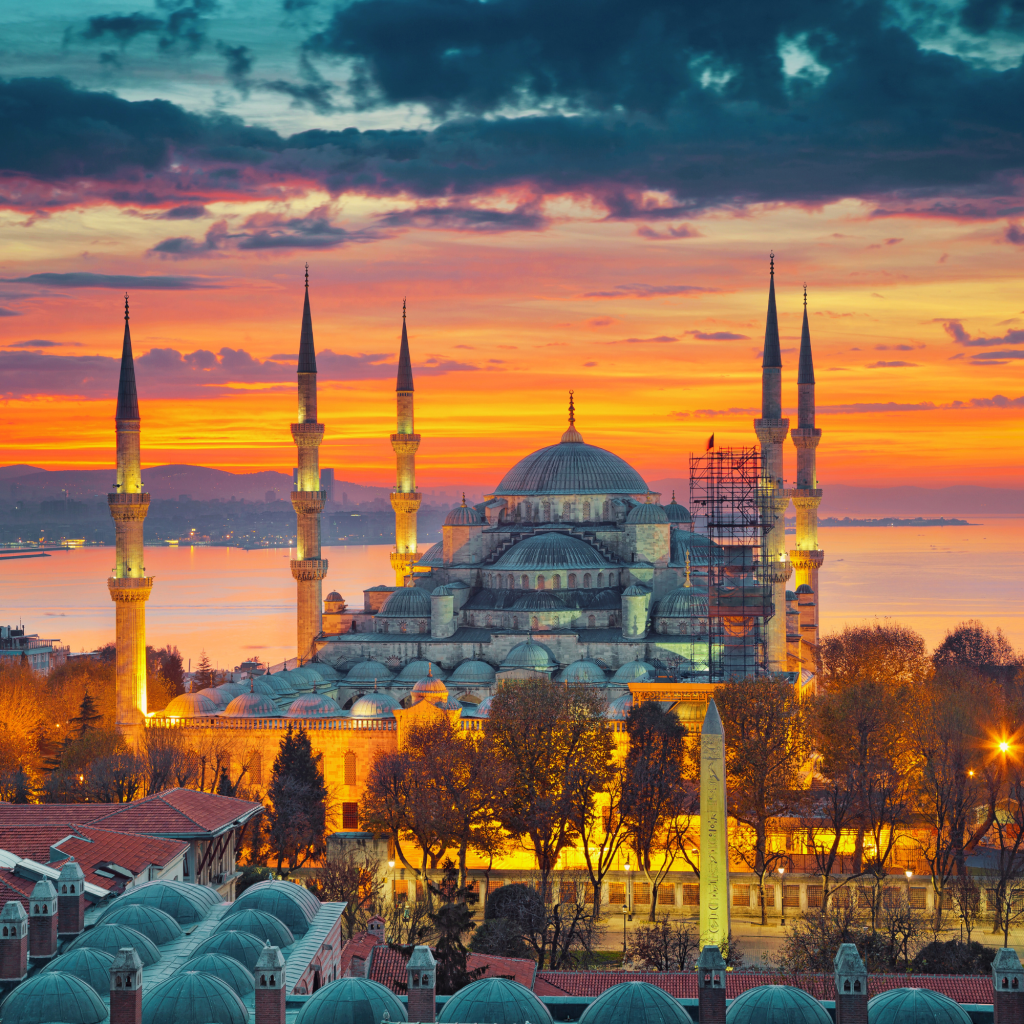
From the ancient streets of Byzantion to the lively neighborhoods of modern Istanbul, every corner of the city has a story to tell. Here, empires have risen and fallen, cultures have met, and centuries of history have become part of everyday life. Whether you wander through its historic streets, cross the Bosphorus, or simply stop for a cup of Turkish tea, Istanbul always has something more to reveal.
If you’d like to discover Istanbul from a different perspective, explore our human-narrated audio tours and uncover the fascinating stories and hidden details of Hagia Sophia, the Million Stone, the Hagia Sophia Water Tower, the Basilica Cistern, Hagia Irene, the Blue Mosque, and the Hippodrome. 🎧


Leave a Reply