
Key Highlights
- Discover the incredible diversity of Turkish kebab varieties beyond the world-famous Döner.
- Explore how different types of kebabs are shaped by regional traditions and local spices.
- Learn about the unique preparation methods, from grilling over an open flame to slow-cooking in a clay pot.
- Uncover the vibrant food scene of Turkiye, where kebabs are a beloved dish, from fine dining to casual street food.
- Find out which kebabs are spicy, mild, or savory to perfectly match your taste.
- This guide will walk you through the must-try kebabs that define Turkish cuisine.
When you think of Turkish food, what comes to mind? For many, it’s the iconic Turkish kebab. But the world of kebabs extends far beyond the familiar rotisserie meat. Turkish cuisine offers an astonishing variety of kebab dishes, each with its own unique history, flavor, and cooking style. From spicy minced meat skewers to succulent, slow-roasted lamb, there are countless types of kebabs to explore. Get ready to embark on a delicious journey through Turkiye’s most beloved culinary tradition.
The sheer number of kebab varieties in Turkiye can be delightfully overwhelming. This diversity stems from deep-rooted culinary traditions and regional differences in preparation methods. Each kebab tells a story about its origin, using specific cuts of meat, unique spice blends, and distinct cooking techniques.
Whether you’re exploring the vibrant food scene in Istanbul or dining in a small town, you’ll find an array of Turkish kebabs to savor. Some of the main types of kebabs, and the most popular among locals, include the fiery Adana, the saucy Iskender, and the classic Shish kebab. Let’s look at some of the best kebabs you absolutely must try.
Originating from the city of Adana in southern Turkiye, the Adana kebab is a treat for those who love a bit of heat. This popular kebab is made from minced lamb meat and tail fat, which is kneaded with a spicy blend of spices, most notably hot red pepper flakes. The mixture is then skillfully molded onto wide, flat metal skewers.
The skewered meat is grilled over a sizzling open flame, giving it a smoky aroma and a juicy interior. The heat from the charcoal fire cooks the kebab to perfection, creating a slightly crispy exterior while keeping the inside moist and flavorful. This method ensures every bite is packed with taste.
Adana Kebab: Spiced Minced Meat Skewers
Adana kebab is often served on a platter with grilled tomatoes, peppers, and a side of bulgur pilaf or wrapped in warm lavash bread. Its bold, spicy flavor makes it a favorite among locals and a must-try for any visitor looking for an authentic taste of Turkish cuisine.
Iskender Kebab: Sliced Lamb Over Pita with Yogurt & Tomato Sauce
If you’re wondering which Turkish kebab you should try first as a beginner, the Iskender kebab is an excellent choice. Hailing from the city of Bursa, this dish is a complete and satisfying meal that beautifully combines several key elements of Turkish cooking. It’s a rich and flavorful option that is less about intense spice and more about savory, comforting flavors.
The foundation of the dish is pieces of warm, soft pita bread, which are lightly soaked in a savory tomato sauce. Thinly sliced lamb or beef döner meat is then generously layered over the bread. The entire dish is then drizzled with more rich tomato sauce and a finishing touch of sizzling melted butter poured over the top right at your table.
To complete the experience, Iskender kebab is served with a large dollop of creamy yogurt on the side, which provides a cool and tangy contrast to the warm, savory meat and sauce. It’s typically served on a large plate and is a hearty, sit-down meal rather than a quick wrap.
Döner Kebab: Rotisserie – Style Layered Meats

Arguably the most famous Turkish kebab around the world, the Döner kebab is a staple of Turkish street food. The name “döner” means “rotating,” which perfectly describes how this delicious meat is cooked. Layers of seasoned lamb, beef, or chicken are stacked onto a massive vertical rotisserie, which turns slowly next to a heat source.
This rotational cooking method allows the outer layer of the doner meat to become perfectly crispy and browned while the inner layers remain incredibly juicy and tender. As the meat cooks, the chef carves off thin slices from the outside, ensuring every serving is fresh and flavorful. When visiting Istanbul, you’ll see these impressive rotisseries in countless restaurants and street food stalls.
The thin slices of meat are most commonly served in a wrap (dürüm) or stuffed into a piece of fluffy pita bread with fresh salad and your choice of sauces. It’s a quick, delicious, and satisfying meal that captures the essence of Turkish fast food.
Shish Kebab: Grilled Cubes of Marinated Lamb or Chicken
Shish kebab, also known as Şiş kebab, is a timeless classic that showcases the beauty of simplicity. “Şiş” means skewer in Turkish, and this dish consists of tender chunks of meat threaded onto skewers and grilled to perfection. While lamb is the traditional choice, chicken and beef are also widely popular.
The key to a delicious shish kebab lies in the marinade. The chunks of meat are soaked in a flavorful mixture that typically includes olive oil, lemon juice, garlic, and various herbs and spices. This process not only tenderizes the meat but also infuses it with a delightful taste. The skewers are often threaded with vegetables like:
- Bell pepper
- Onions
- Tomatoes
The skewers are then cooked over hot coals, which imparts a wonderful smoky flavor. The direct heat sears the outside of the meat, locking in the juices. Shish kebab is usually served on a plate with rice or bulgur pilaf and a side salad, offering a balanced and delicious meal.
Urfa Kebab: Mild, Herb-Infused Minced Meat Skewers
For those who prefer a less spicy but equally flavorful kebab, the Urfa kebab is the perfect choice. Named after the city of Şanlıurfa in southeastern Turkiye, this kebab is often seen as the milder sibling of the fiery Adana kebab. It’s a great example of how regional tastes influence a dish’s final profile.
Like its spicy counterpart, Urfa kebab is made with minced or ground meat, typically lamb or a mixture of ground beef and lamb. However, instead of hot red pepper flakes, the meat is seasoned with a gentler blend of spices and herbs, giving it a savory, earthy, and slightly smoky flavor without the intense heat.
The seasoned meat is molded onto wide skewers and grilled over charcoal. The result is a juicy, tender kebab with a mild flavor that allows the quality of the meat to shine through. It’s often served with rice, grilled vegetables, and bread, just like Adana kebab, offering a delicious alternative for those with a more sensitive palate.
Beyti Kebab: Ground Meat Wrapped in Lavash
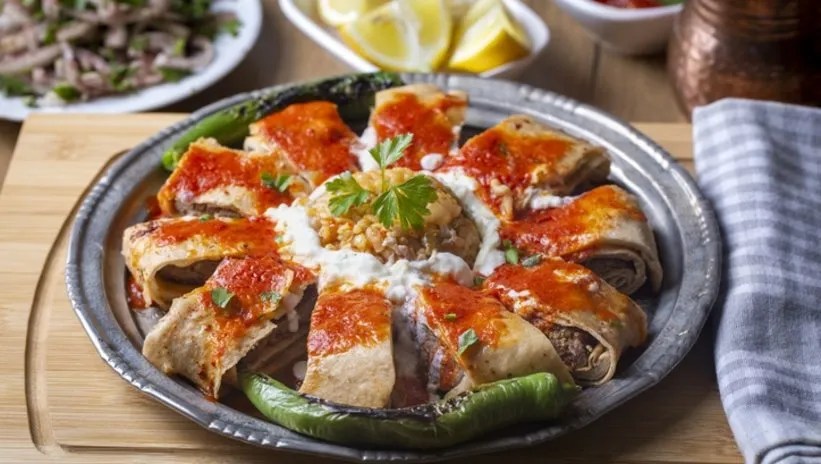
Named after the chef Beyti Güler, who created it in Istanbul, the Beyti kebab is a modern classic that has become a restaurant favorite. This dish offers a beautiful presentation and a delicious combination of flavors, using ground meat that is typically lamb or a blend of lamb and beef.
The preparation is unique. A skewer of seasoned ground meat is first grilled, then wrapped snugly in a thin, soft flatbread called lavash. The wrapped kebab i s then sliced into generous pieces and often drizzled with a rich tomato sauce or yogurt, elevating its flavor profile even further. This technique not only keeps the kebab moist but also adds an indulgent layer to each bite.Beyti kebab is frequently served with a side of grilled vegetables and a sprinkle of sumac for an extra zing, making it a visually appealing dish that tantalizes the taste buds. The combination of tender meat, warm lavash, and accompanying sauces creates a symphony of textures and flavors that have captured the hearts of both locals and tourists alike.s then sliced into bite-sized pinwheels, arranged neatly on a plate, and generously topped with a warm tomato paste-based sauce and a cooling yogurt sauce.
The combination of warm, savory meat, soft bread, tangy tomato, and creamy yogurt creates a perfect harmony of tastes and textures. Beyti kebab showcases how traditional local ingredients can be transformed into an elegant and satisfying dish that appeals to a wide range of palates.
Testi Kebab: Clay Pot Stewed Kebab

Testi kebab, or pottery kebab, is as much a spectacle as it is a meal. This Anatolian specialty, particularly famous in the Cappadocia region, demonstrates how regional cooking methods can create truly unique dishes. The name “testi” means jug, which points to its special cooking vessel.
The cooking process is what makes this kebab so special. Cubes of lamb meat or beef are combined with vegetables like tomatoes, onions, garlic, and peppers, along with local spices, and sealed inside a clay pot. The pot is then placed in the embers of a fire or in an oven to cook slowly for several hours.
This slow-stewing method allows the ingredients to cook in their own juices, resulting in incredibly tender meat and a rich, aromatic sauce. The best part is the presentation: the sealed pot is brought to your table and cracked open right before serving, releasing a cloud of fragrant steam. It’s a memorable dining experience.
Cağ Kebab: Horizontal Rotating Lamb Kebab from Erzurum
Originating from the eastern city of Erzurum, Cağ kebab offers a different take on rotational cooking. Unlike the vertical rotisserie of a Döner, Cağ kebab is cooked on a horizontal rotating spit over an open flame from a wood fire. This method gives the meat a distinctively smoky flavor.
This kebab is made exclusively from lamb meat, which is marinated in a simple yet flavorful mixture of onion, salt, and black pepper for about 12 hours. The marinated meat is then stacked onto the horizontal spit. As the spit rotates, the outer layers cook to a perfect crispiness while the inner layers remain succulent and tender.
When you order Cağ kebab, the chef slices off thin, juicy strips of meat directly from the spit onto a small skewer called a “cağ.” It’s traditionally served with fresh lavash bread, onions, and tomatoes. You eat the meat right off the skewer and can order more skewers until you’re full.
Ali Nazik Kebab – Smoked Eggplant Puree with Lamb

Ali Nazik kebab is an elegant and delicious dish from the Gaziantep region, which is famous for its culinary heritage. The name translates to “gentle Ali,” and the dish itself is a sophisticated blend of smoky, savory, and creamy flavors that is truly a delight for the senses.
The foundation of this kebab is a bed of creamy, smoked eggplant puree. The eggplants are first charred over an open flame to get a deep, smoky flavor, then peeled and mashed. This puree is then mixed with garlic-infused creamy yogurt, creating a smooth and tangy base.
This bed of smoky eggplant and yogurt is topped with tender, sautéed cubes of marinated lamb meat. The warm, savory meat pairs perfectly with the cool, smoky puree. Often drizzled with melted butter infused with red pepper, Ali Nazik is a flavor-packed dish that showcases the complexity and elegance of Turkish kebabs.
Çöp Şiş: Small Marinated Lamb Skewers

Çöp Şiş, which translates to “rubbish skewer,” has a misleading name for such a tasty treat. The name comes from the small, thin wooden skewers used, and it’s a popular kebab type, especially in the Aegean region of Turkiye. It’s often found at street food stalls and casual eateries.
This kebab is made from small pieces of marinated lamb, often the trimmings left over after preparing larger cuts for other kebabs. The marinade is typically a simple mixture that enhances the flavor of the meat without overpowering it. Common marinade ingredients include:
- Olive oil
- Garlic and oregano
- A splash of lemon juice
These small pieces of lamb are threaded onto the thin skewers, sometimes with small pieces of bell pepper or tomato, and grilled quickly over high heat. The result is a deliciously charred, juicy, and flavorful bite-sized snack or meal. Çöp Şiş is perfect for a quick, savory bite on the go.
Tandır Kebab: Slow-Roasted Lamb
Tandır kebab is a lesser-known but incredibly delicious dish that highlights one of the most ancient preparation methods: slow-roasting in an underground oven. A “tandır” (or tandoor) is a traditional clay oven, and the technique results in unbelievably tender and flavorful meat. This kebab is particularly popular in regions like Konya, Denizli, and Afyon.
The star of this dish is a whole lamb or large cuts of slow-roasted lamb. The meat is seasoned simply with local spices, allowing the natural flavor of the high-quality lamb to be the main focus. It is then cooked for hours in the tandır, where the radiant heat cooks it evenly from all sides.
This slow-cooking process breaks down the connective tissues, making the meat so tender that it literally falls off the bone. Tandır kebab is typically served with fresh bread to soak up the delicious juices and a simple salad. It’s a true celebration of pure, unadulterated flavor.
Regional Influences on Turkish Kebab Recipes
The incredible variety of kebab types across Turkiye is no accident. It is a direct result of powerful regional influences, where local history, climate, and available ingredients shape culinary traditions. Each region puts its own unique spin on kebabs, using local spices and distinct preparation methods passed down through generations.
From the spicy, meat-heavy dishes of the southeast to the lighter, herb-infused options of the Aegean coast, these different types of kebabs tell a story of Turkiye’s diverse cultural landscape. Understanding these regional variations is key to appreciating the true depth and richness of Turkish kebab culture. Now, let’s explore some of these differences more closely.
Southeastern Anatolia: Rich Spices and Lamb Specialties
The Southeastern Anatolia region is widely considered the heartland of Turkish kebabs. Cities like Adana, Şanlıurfa, and Gaziantep are famous for their robust and flavorful kebab dishes. The cuisine here is characterized by the use of rich spices, tail fat for extra flavor, and a strong preference for lamb specialties.
The hot, dry climate of this region is perfect for growing peppers, which is why spicy flavors are so prominent. Preparation methods often involve grilling minced or chunked meat over hot charcoal, a technique perfected over centuries. This region has given Turkiye some of its most iconic kebab dishes.
Here’s a quick look at some famous kebab dishes from Southeastern Anatolia and what makes them special:
| Kebab Name | City of Origin | Key Characteristics |
|---|---|---|
| Adana Kebab | Adana | Spicy minced lamb, seasoned with red pepper flakes. |
| Urfa Kebab | Şanlıurfa | Mild minced lamb, seasoned with herbs and spices. |
| Ali Nazik Kebab | Gaziantep | Lamb over smoky eggplant and yogurt puree. |
Marmara & Aegean: Lighter Kebabs and Seafood Options
In contrast to the bold flavors of the southeast, the Marmara region and the Aegean region offer lighter kebabs. Influenced by the Mediterranean climate, the cuisine here relies heavily on fresh herbs, vegetables, and high-quality olive oil. The kebabs are often more subtle in flavor, allowing the natural taste of the ingredients to shine.
This coastal area is also known for its excellent seafood options, and you can even find fish kebabs, like İskorpit Kebabı. The use of yogurt and fresh vegetables is very common, creating balanced and refreshing dishes. A great example of this style is the Çökertme Kebab from the Bodrum region.
The culinary style of this area can be summarized by a few key points:
- Generous use of olive oil in marinades and cooking.
- Emphasis on fresh herbs like oregano and mint.
- Lighter meats, including chicken and seafood, are popular alongside lamb.
In conclusion, Turkiye’s rich culinary landscape offers a diverse array of kebab varieties that are sure to tantalize your taste buds. From the bold spices of Adana Kebab to the savory flavors of Iskender and the unique presentation of Testi Kebab, each dish tells a story of tradition and regional influence. Exploring these kebabs not only satisfies your palate but also immerses you in the vibrant culture of Turkiye. If you’re planning a trip or just want to try your hand at making these delightful dishes at home, don’t hesitate to dive into this delicious adventure! For personalized tips or recipes, feel free to reach out for a free consultation.
Frequently Asked Questions
What are the most popular kebabs to try in Turkiye as a first-timer?
As a first-timer, you can’t go wrong with the classics. Try an Iskender Kebab for a rich, saucy meal, a classic Döner Kebab for a taste of iconic street food, or an Adana Kebab if you enjoy a bit of spice. Each type of kebab offers a unique and delicious experience.
Are Turkish kebabs made with beef, lamb, or chicken?
Turkish kebabs use all three types of meat. Lamb meat is the most traditional and is common in many ground meat kebabs. Chicken is a very popular and lighter alternative, while beef is also used in many different types of kebabs, including the famous Döner kebab.
How is Turkish kebab typically served in restaurants?
In restaurants, kebabs are usually served on a platter with accompaniments like bulgur pilaf or rice, grilled vegetables, and salad. Some dishes, like Iskender kebab, are served over pita bread and topped with tomato sauce and creamy yogurt, showcasing different preparation methods and serving styles.
 Funİstanbul: Fun-Filled Istanbul Travel Blog
Leave a comment