Honestly, We spent quite some time wondering which category the Islands should fall under and we’ve decided they belong not just to historyistanbul, but also to streetistanbul and viewistanbul. They’re simply too enchanting to fit into just one box.


Dream of the Islands: A Fairytale in the Middle of the Marmara Sea
The Adalar District, located on the Asian side of Istanbul, is made up of nine islands in the Marmara Sea. However, only five of them are open to settlement:
- Büyükada (Prince Island) 🐎
- Heybeliada 🌲
- Burgazada 🔥
- Kınalıada 🐚
- Sedef Island (mostly private property, more tranquil)
Each has its own character, mood, and story. So, let’s take a delightful tour through this dreamy geography.
Just off the coast of Istanbul’s Asian side lies a little dream scattered across the Marmara Sea 🌊 Adalar, or the Princes’ Islands. While there are nine islands in total, only five are open to settlement: Büyükada, Heybeliada, Burgazada, Kınalıada, and the quieter, more private Sedef Island. Each one feels like it holds a different mood, a different rhythm of life, as if they’re five siblings, each with their own story to tell.
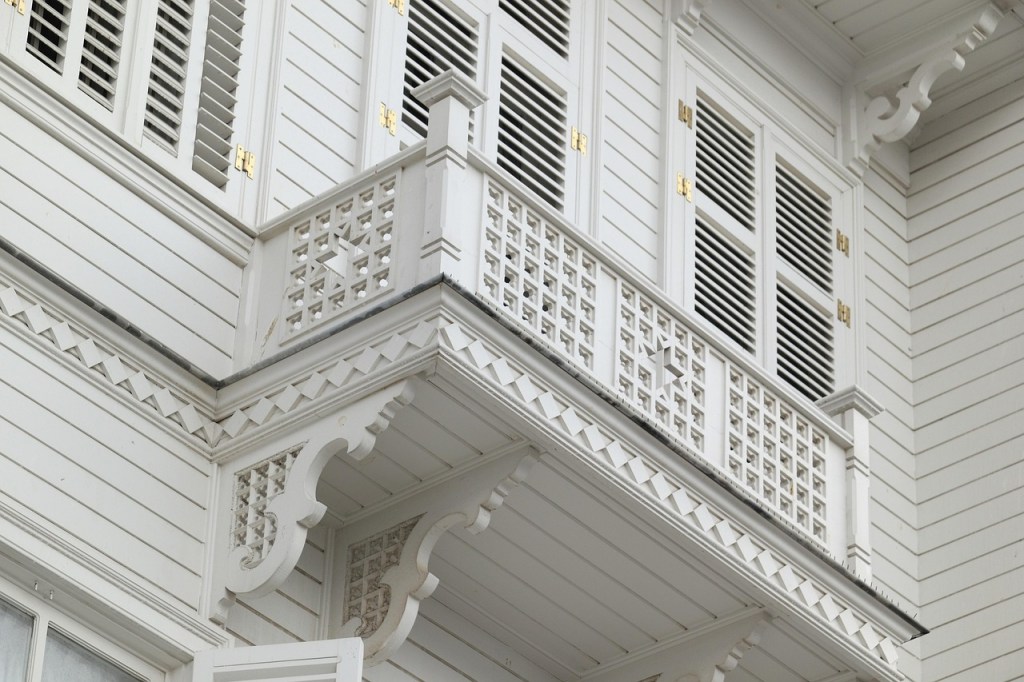
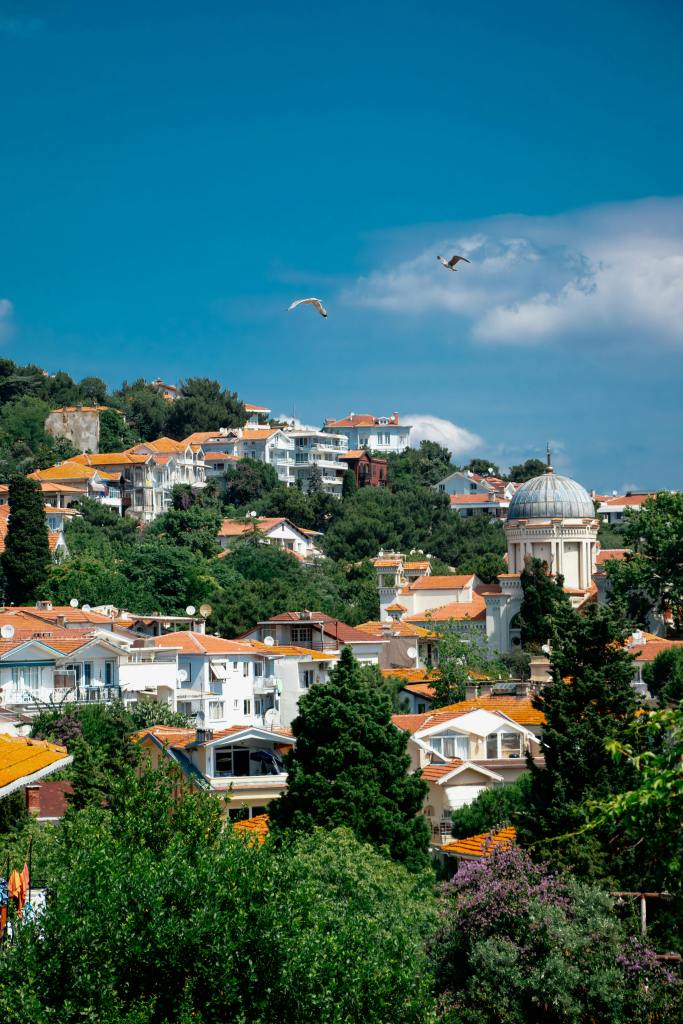
For many years, these islands were among the few places in Turkiye where motor vehicles were strictly prohibited. The rhythmic clatter of horse-drawn carriages once echoed through the narrow streets, becoming part of the islands’ identity. That changed in 2020 when, out of concern for animal welfare, the carriages were replaced by small electric minibuses. Still, the best way to experience the charm of the islands is on foot or by bicycle. There’s something almost cinematic about coasting past pine trees and pastel-colored mansions with a gentle breeze in your hair.
The islands are steeped in both legend and literature. On Heybeliada, the mysterious and majestic presence of the Aya Triada Monastery and the old Halki Seminary sparks imaginations. Especially when you walk past them under moonlight. Locals whisper about their ghostly charm, calling the place a “haunted mansion in the woods.”
Burgazada, on the other hand, carries the soul of one of Turkiye’s most beloved writers, Sait Faik Abasıyanık. He lived there for years, his house now a museum that stands quietly on a leafy corner. When you read his melancholic lines, you can almost hear the distant horn of the ferryboat and feel the salt on your skin. Perhaps it was he who first wrote, “as sad as an island ferry”or maybe not, but it sounds like something he would’ve said.
Then, there’s the sea itself, an ever-present companion to the islands. If you’re lucky, you might spot dolphins leaping beside the ferry in the early morning, riding the waves as if they’re part of the welcome committee. That alone feels like magic.
Adalar also plays the leading role in many Turkish films. Lovers part ways on the very same cobblestone alleys, reunite under the same wistful pine trees, and chase each other up the same staircases you might find yourself on today. If you look closely, you may even recognize a scene from your childhood hiding behind a vine-covered gate.
Though the islands come alive with sun-seekers and chatter in the summer, they transform completely in winter. A ghost town, some might say but to others, it’s a balm. The mossy scent in the air, the cry of seagulls, the whisper of the wind through empty streets—it’s a different kind of beauty, quiet and soul-soothing.
Before you go, here’s what you absolutely must do: rent a bike (non-negotiable), try the famous mastic-flavored island ice cream, and don’t leave without a seaside fish dinner. Grilled calamari, fresh lemon, and all. And of course, toss a few crumbs of simit to the seagulls in the morning while sipping your tea by the dock. A timeless ritual.
Büyükada, the largest of the islands, is like a time machine wrapped in sea breeze. Once known as Prinkipo, or “Prince’s Island” in Greek, it was where exiled Byzantine royalty were sent. Today, it invites travelers to explore its winding paths and climb up to Aya Yorgi Church on the island’s highest peak. If you make the journey, especially in silence with a red ribbon in hand, as tradition goes your wishes just might come true.
And don’t forget the island’s curious past: revolutionary Leon Trotsky lived here in exile for a few years, crafting his writings in solitude. His house still stands, quietly watching over the sea. Another literary legend, Reşat Nuri Güntekin, often spent time here too, infusing his novels with island breezes and pine-scented melancholy.
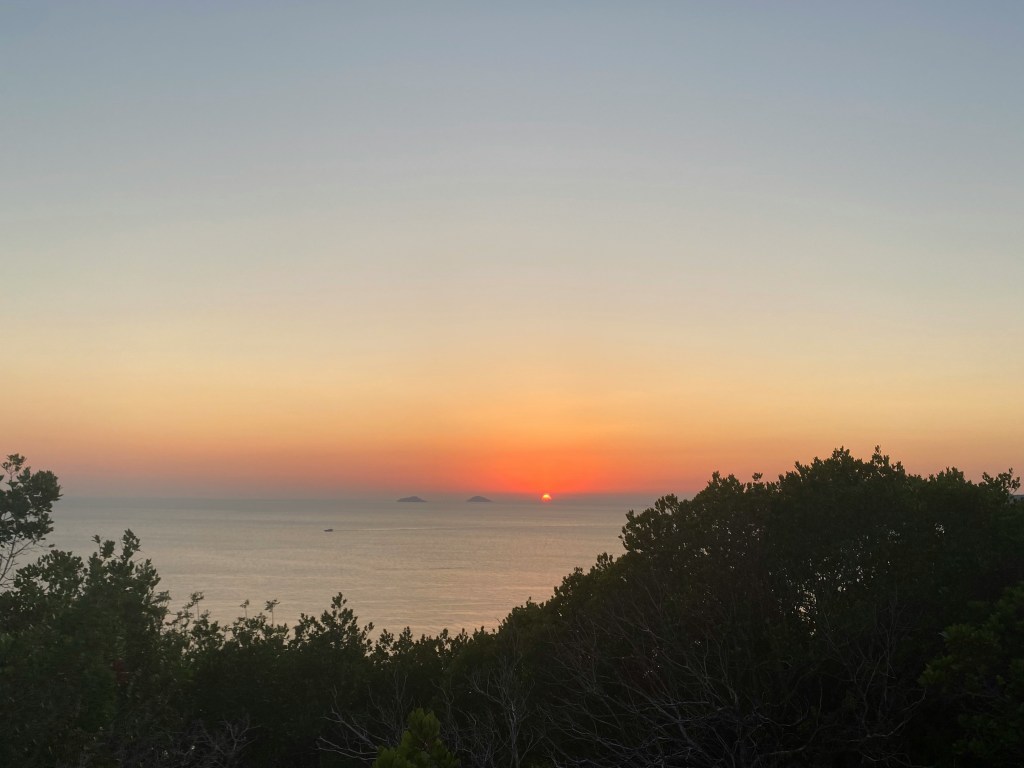
Whether you’re wandering past old mansions shaded by bougainvillea, losing yourself in pine forests, or just catching the sunset over the sea, the islands always find a way to stay with you. It might start as a day trip, but the feeling lingers much longer as if a piece of your heart decides to stay behind, nestled between the waves and the whispering trees.

 Funİstanbul: Fun-Filled Istanbul Travel Blog
Leave a comment